Knowing if a garment will suit you before you buy it
Three reasons explain almost every bad online purchase: the size, the cut on your body, and how the piece works with what you already own. Here is how to settle all three before you pay.
Buying smarter5 min read
Why the product photo tells you nothing
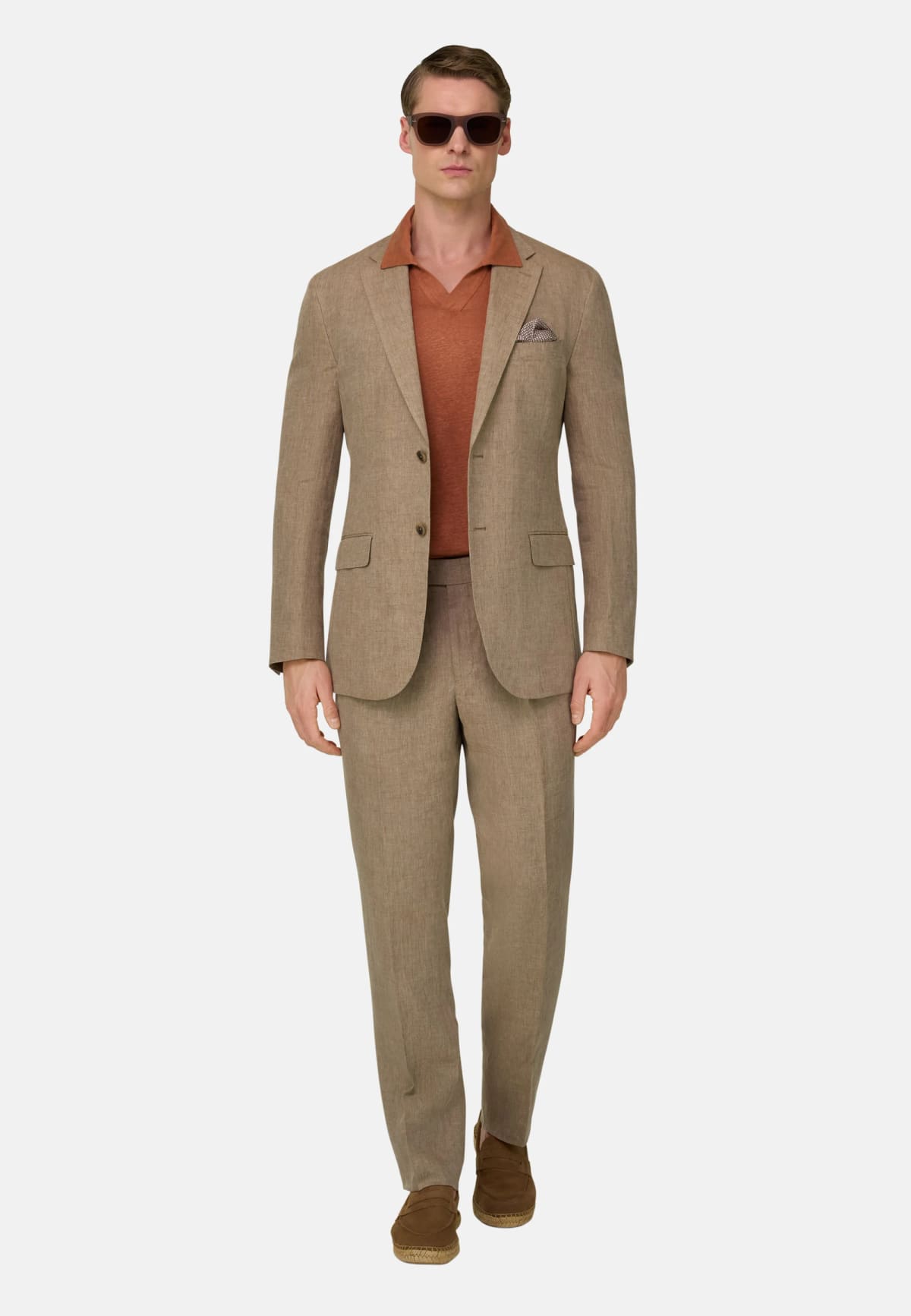
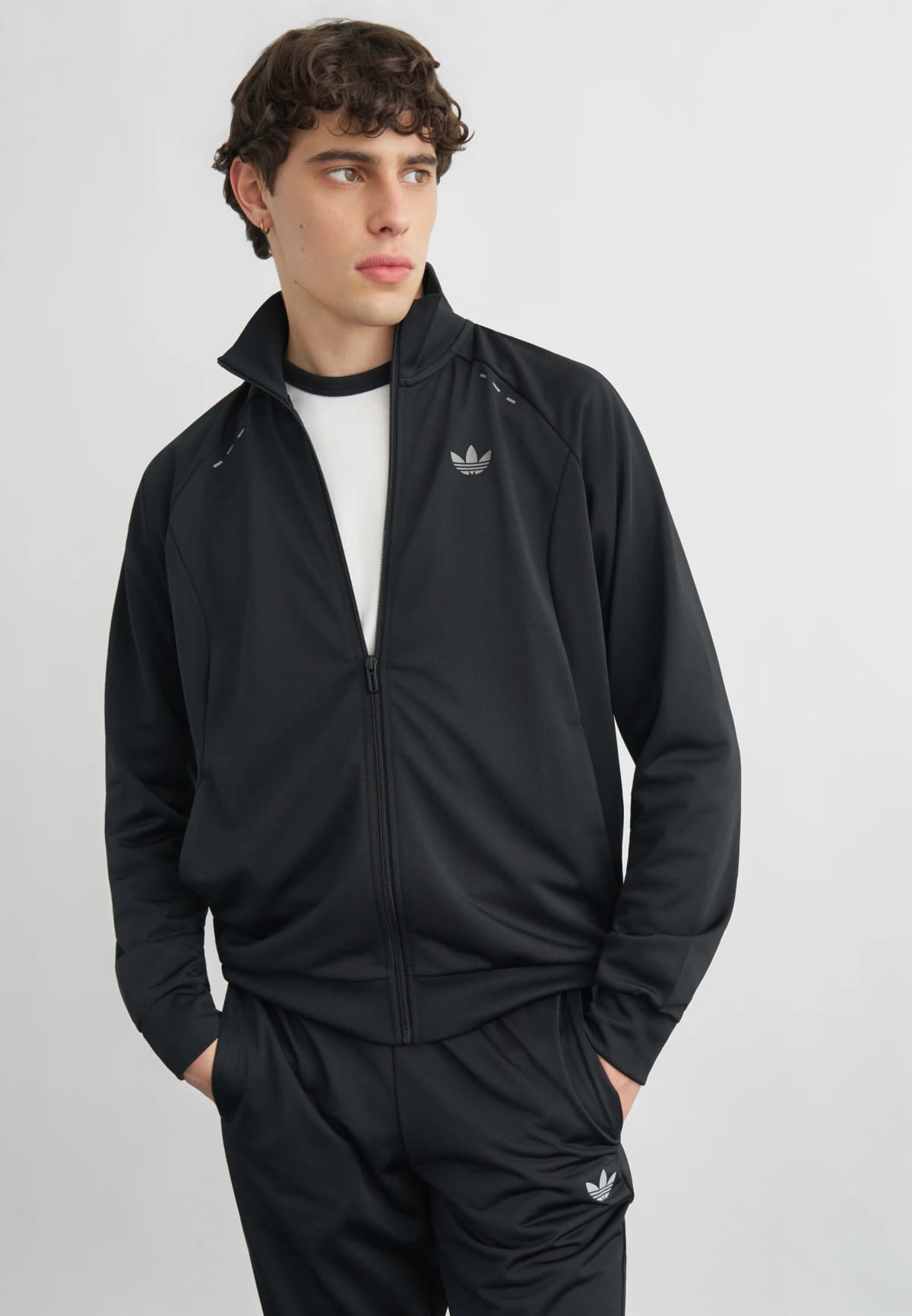
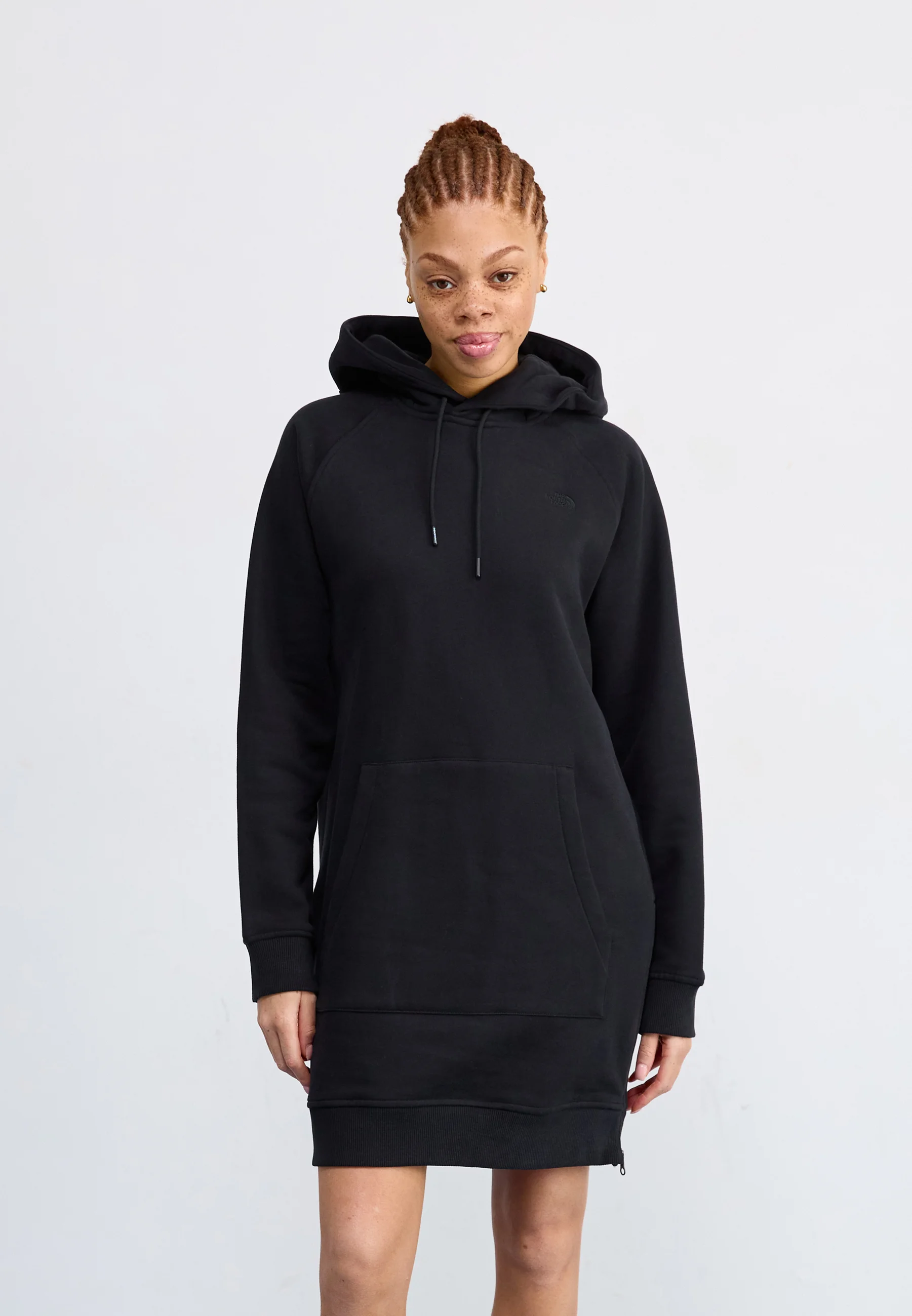
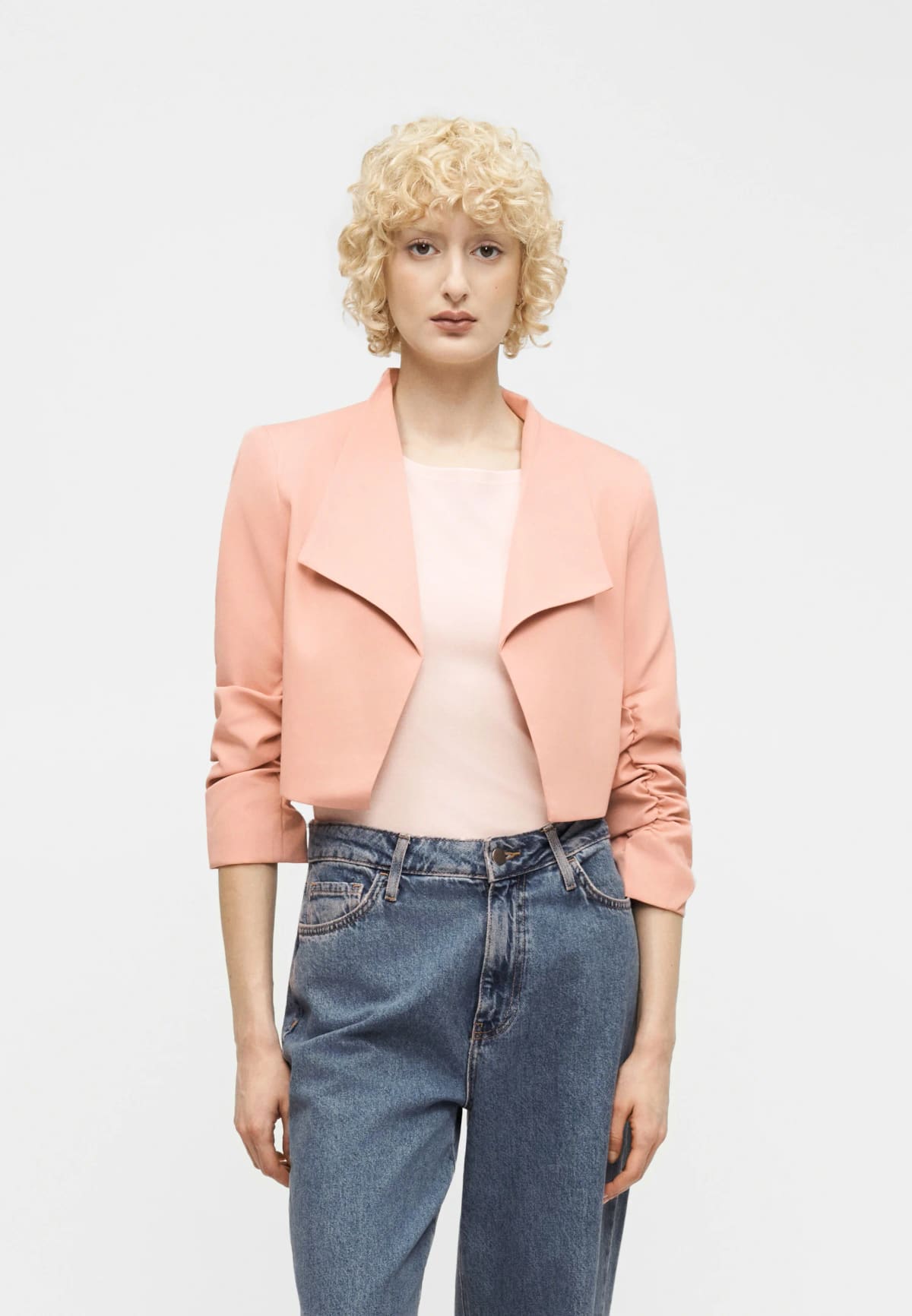
A product photo is a sales argument, not information about you. The garment was picked in the right size, clipped at the back, pressed, lit at three quarters, and worn by someone whose wardrobe it is not. All you learn is that the piece exists and that it looks good on one person.
So the problem is not that you choose badly. It is that you decide from an image that carries none of the three things you would actually need: what the piece really measures, how it falls on your body, and what it looks like next to the clothes you already own.
The three sections below take those three gaps in order. They explain nearly every return, far more than taste or fabric quality do.
Reason one: your size does not exist
An M is not a measurement, it is one brand's internal convention. Two shops in the same mall can differ by five centimetres of chest on the same letter. Add imported brands, whose grading starts from a different base body, and the letter stops meaning anything.
The only reliable data is the centimetre size chart, and even then you need to know whether it describes the body or the garment. A product chart listing 52 cm across the chest laid flat means a 104 cm circumference: fitted on a 96 cm chest, roomy on an 88 cm one.
The method that works is boring and takes two minutes. Lay flat a garment you already wear and like, measure it, then compare those numbers with the ones on the page. You stop comparing your body to a letter and start comparing two garments.
Write those measurements down somewhere. Shoulder width, chest, sleeve length, total length, inseam. Five numbers that retire the question “am I an M or an L?” across every brand at once.
Reason two: the cut is drawn for one body, rarely yours
Even in the right size, a piece can fall badly. A short double-breasted jacket shortens an already short torso. Low-rise trousers cut the leg at the wrong point. A high neckline erases a long neck that was exactly what carried the look.
Product-page vocabulary is no help. “Straight cut”, “oversized”, “slim fit” describe the piece on the model, never its effect on a given body. And the effect is the only thing that matters when you pay.
This is where the eye fails most. You can usually tell whether you like a piece. You are far worse at predicting whether it will suit you, because that requires picturing yourself differently from how you are used to seeing yourself in the mirror.
Reason three: the piece is good, but not with the rest
The third trap is the most expensive, because there is nothing wrong with the garment. It fits, it falls well, and it stays in the closet. It simply goes with nothing you already own.
A chocolate blazer is an excellent piece in the abstract. In a wardrobe built on cool greys and black, it is an orphan that needs two more purchases before it can be worn at all.
So the right question at checkout is not “do I like this piece?” but “what exactly do I wear it with, in the next two weeks?”. If you cannot name two complete outfits made of clothes you own, you are not buying a garment, you are buying a project.
What virtual try-on changes
Virtual try-on does not replace a fitting room, and it is not meant to. It answers one precise question that no product page addresses: what do I look like wearing this?
You send a photo, you pick the piece, and you get an image of the garment on your own body, with your shoulders, your waist, your proportions. The two reasons above disappear at once: you stop imagining and start looking.
The clearest effect is not confirming purchases, it is cancelling them. Seeing that a cut does not work on you costs thirty seconds. Discovering it at delivery costs a round trip, a refund delay, and often the sheer reluctance to repack the box.
For the wardrobe question, the same logic applies at outfit level. Try the piece, then look at it next to what you actually wear, not next to the rest of the styling the brand assembled for the shoot.
The five-minute check before you pay
One: open the size chart and compare it with the equivalent garment you already own. Two: check whether it describes the product laid flat or the body, because the gap between the two is measured in whole sizes.
Three: try the piece on your photo instead of imagining it. Four: name two complete outfits using clothes you already own. Five: read the return policy before you check out, not after.
Five minutes against a parcel sitting in the hallway for three weeks. The maths is easy, and after two or three orders it becomes a habit you no longer notice.